














ASEAN Plus Three Leaders’ Statement On Strengthening Energy And Food Security Resilience Amid External Shocks And Supply Chain Disruptions
, 
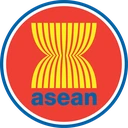
29th ASEAN Plus Three (APT) Summit
,

Joint Press Statement of the Twenty-Sixth Meeting of the ASEAN Ministers on Agriculture and Forestry and the Ministers of Agriculture of the People’s Republic of China, Japan and the Republic of Korea (26th AMAF Plus Three)


Joint Statement Sixteenth ASEAN Plus Three Ministerial Meeting on Transnational Crime Consultation
,

Joint Media Statement of The 23rd ASEAN Ministers on Energy Meeting Plus Three (China, Japan and the Republic of Korea)
,
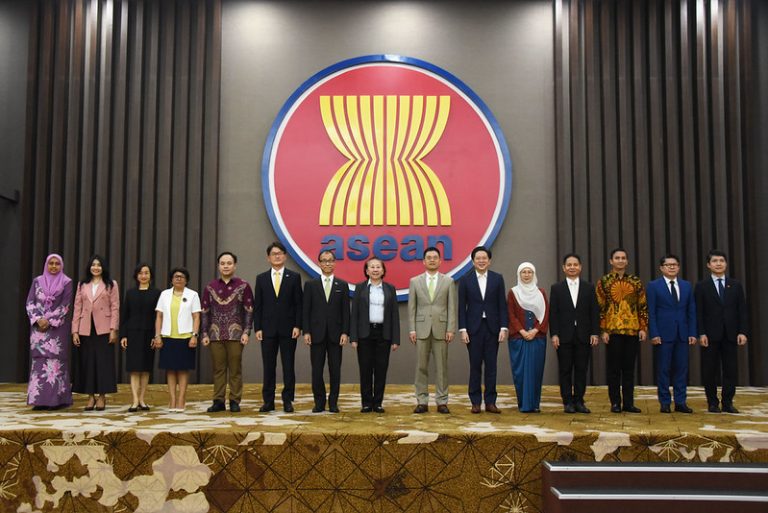
25th Meeting of the Committee of Permanent Representatives to ASEAN Plus Three
, 
Joint Media Statement of the 29th AEM Plus Three Consultation
,
ASEAN Plus Three Preparatory Senior Officials’ Meeting convenes in Manila
,
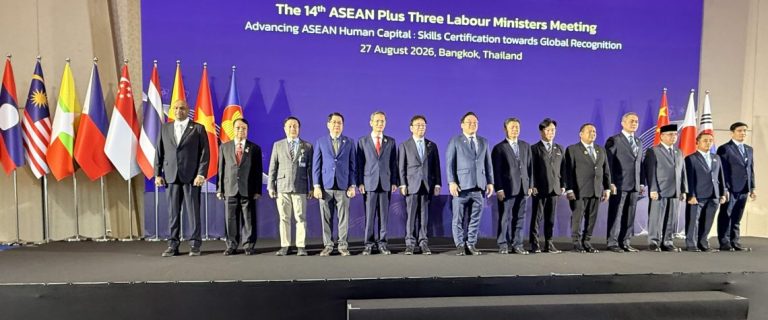
Joint Statement for the Fourteenth ASEAN Plus Three Labour Ministers Meeting (14th ALMM+3)
, 
Joint Ministerial Statement Of The Tenth ASEAN Plus Three Ministerial Meeting On Youth (10th AMMY+3)

14th ASEAN Plus Three Senior Officials’ Meeting on Youth (SOMY+3)
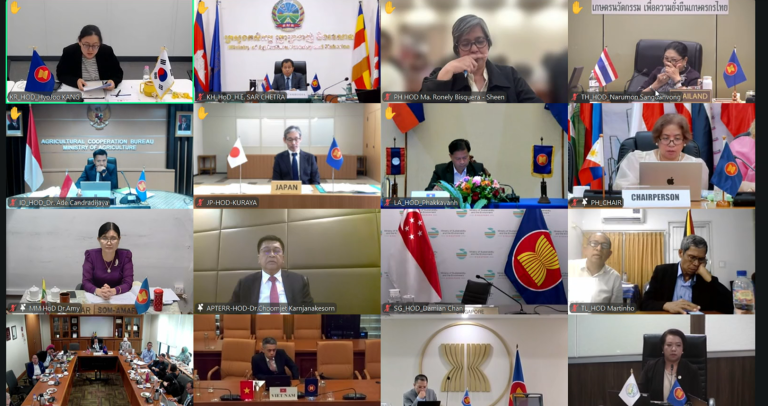
The Special SOM-25th AMAF Plus Three Meeting
ASEAN Plus Three (APT) consists of the 11 ASEAN Member States and the People’s Republic of China, Japan and the Republic of Korea. The APT Cooperation process began in December 1997 and since than has evolve as the main vehicle to promote East Asian Cooperation towards the long-term goal of building an East Asian Community, with ASEAN as the driving force. The APT has become one of the most comprehensive cooperation frameworks in the region, and APT cooperation continue to be broadened and deepened in a wide range of areas, including political-security, trade and investment, finance, energy, tourism, agriculture and forestry, environment, education, health, culture and arts, etc, among others. The APT also supports the implementation of the ASEAN Community Vision 2045.
Source: ASEAN Secretariat, APT Cooperation Overview (Nov 2025)
Source: ASEAN Secretariat, APT Cooperation Overview (Nov 2025)
Source: ASEANstats, Statistical Highlights 2025
Source: ASEANstats, Statistical Highlights 2025
Source: ASEANstats, Statistical Highlights 2025
The APT framework has become a cornerstone of East Asian regionalism, fostering cooperation in political-security, economic, and socio-cultural areas. The APT process has also developed into a full-fledged cooperation framework with 59 mechanisms coordinating various initiatives.
With a size of US$240 billion, the CMIM is a multilateral currency swap arrangement among ASEAN+3 members, established under the agreement signed by the ASEAN+3 Finance Ministers and Central Bank Governors that came into effect on March 24, 2010.
Established in 2011 by ASEAN+3 Finance Ministers, the ASEAN+3 Macroeconomic Research Office (AMRO) is an international organization that aims to contribute to the macroeconomic and financial resilience and stability in the ASEAN+3 region.
A key element of APT food security cooperation is the ASEAN Plus Three Emergency Rice Reserve (APTERR), established under the APTERR Agreement signed in October 2011 in Jakarta. APTERR aims to enhance food security, alleviate poverty, and eradicate malnutrition among members without disrupting normal trade.
The ABMI was launched in 2003 to develop local-currency denominated bond markets, and develop more accessible and well-functioning regional bond markets both for issuers and investors. In May 2026, the ASEAN+3 Finance Ministers and Central Bank Governors agreed “to evolve the ABMI into the Asian Bond and Financial Markets Initiative (ABFMI) under the next roadmap”.
29th AFMGM+3 Joint Statement (PDF) AsianBondsOnline (ADB) (external site)
Descriptions are quoted from the APT pages linked above, the ASEAN Secretariat’s Finance Cooperation (ASEAN+3) page, AMRO’s Who we are page, the Joint Statement of the 29th ASEAN+3 Finance Ministers’ and Central Bank Governors’ Meeting (3 May 2026) and the ASEAN Secretariat’s Overview of ASEAN Plus Three Cooperation (as of 14 November 2025).
Key documents, statements and mechanisms that guide ASEAN Plus Three cooperation.
“The Sixteenth ASEAN Plus Three Ministerial Meeting on Transnational Crime (16th AMMTC + 3) Consultation was convened in Makati City, the Philippines and via videoconference, on 21 October 2026 and chaired by the Philippines under the theme “Navigating Our Future, Together”.”
“The Twenty-Sixth Meeting of the ASEAN Ministers on Agriculture and Forestry Plus Three (26th AMAF Plus Three) was held on 30 October 2026 in Singapore, hosted by the Government of Singapore.”
“The 14th ASEAN Plus Three Labour Ministers Meeting (14th ALMM+3) was held on 27 August 2026 in Bangkok, Thailand, and chaired by H.E. Julapun Amornvivat, Minister of Labour of Thailand.”


No upcoming meetings are scheduled at the moment. These are the most recent.
Maritime Trade And Logistics ConnectivityASEAN Plus Three Summit MeetingsStrengthening Energy And Food Security Resilience Amid External Shocks And Supply Chain DisruptionsASEAN Plus Three Summit Meetings29th APT SummitASEAN Plus Three Summit Meetings26th AMAF+3ASEAN Plus Three Ministers on Agriculture and Forestry16th AMMTC+3ASEAN Plus Three Ministerial Meeting on Transnational Crime